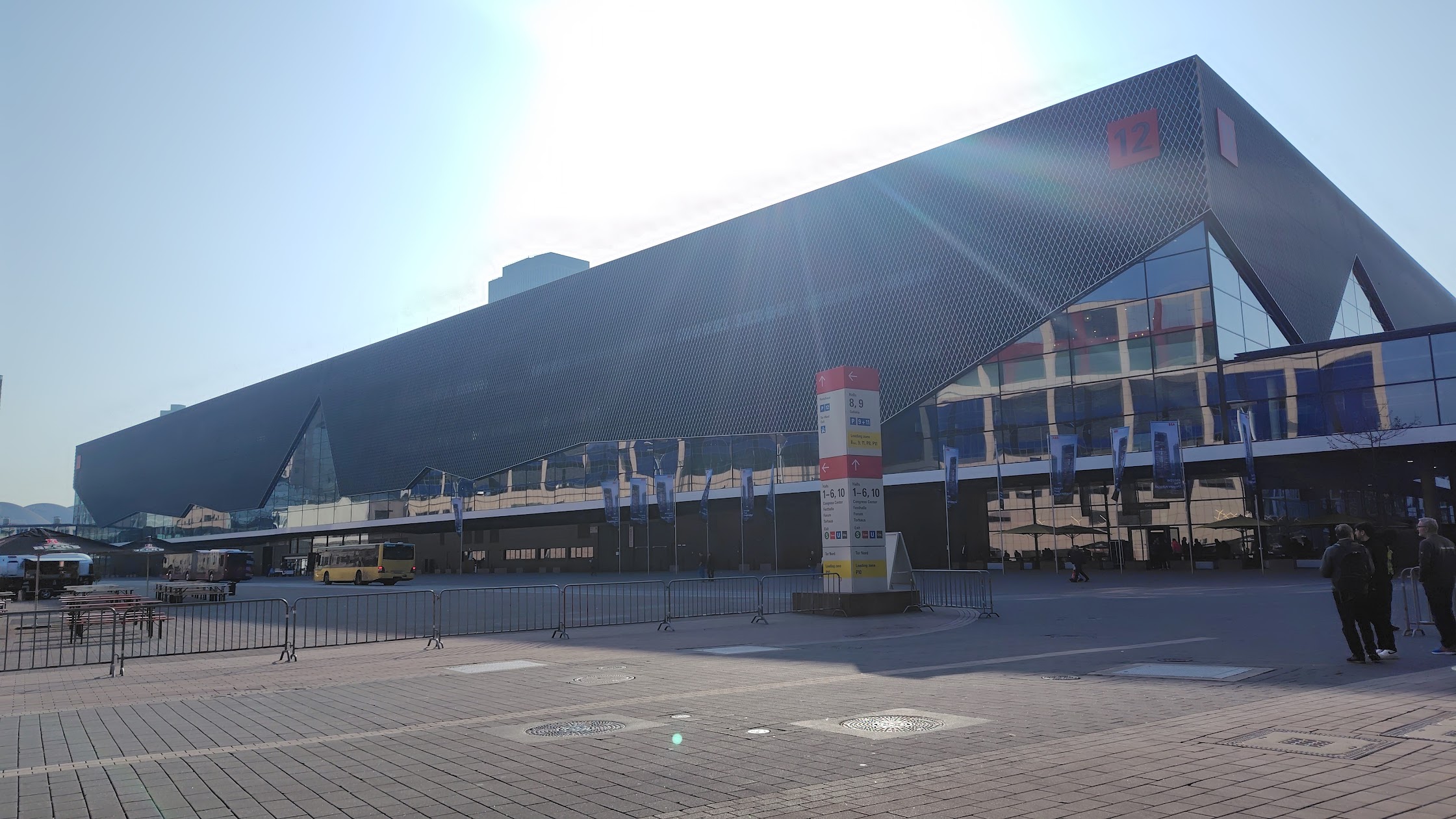

這是一個在歐洲屬於較大的燈具展與台灣的建材展有甚麼差別?
規模與國際性
法蘭克福 Light + Building吸引超過2000家參展商、21萬訪客,來自50國,展出燈光、電氣工程、樓宇自動化,強調全球趨勢。 台灣建材展雖為亞洲重點,但以國內廠商為主,國際參與較少,攤位集中建材、廚具、空間設計。
焦點差異
Light + Building專攻燈光創新與建築整合,如智慧照明、儲能系統,融合燈具與自動化。 台灣展更廣泛涵蓋建築材料、綠建材、AI永續,但燈光僅為部分,很多創新與考量必須仰賴燈光設計師因應不同空間給予特定解決方案。
永續設計觀點
Light + Building突出電氣化減碳、原材料再利用,展現歐洲嚴格標準,如動態電力控制。燈具設計推崇局部更換維修、結合裝修材的音光環境模組化,甚至整合室內空氣偵測與調光舒適性,一切以人眼舒適為基本盤,燈光設計師不需額外特別處理。在人因照明(Human-Centric Lighting)與生態平衡幾乎走在前端,當然這牽涉非常多議題。
台灣雖強調淨零碳排與政府節能標章,整合型長遠商品存在但仍屬小眾,受初期建置成本限制,「CP值」思維導致主流產品如快速時尚般用完即拋,忽略後續維護與能源消耗。在快速一次性商品為了滿足CP值的同時,使用者舒適性的配件相繼就被移到最後考慮,更別提生態照明設計,如海龜棲息 蝙蝠洞穴 山區動物的入侵在在都是台灣正在發生,改善進度卻相對緩慢,卻也成為人們社群中偶然看見的遺憾議題。
#UNDERLiiGHT #LightingDesign #LightBuilding #人因照明 #永續燈光 #台北燈光設計 #L&L #LEDITYAKI #XAL #ZEHN #NEKO #SIMES #KLUS’ #ALPHABET #O/M #JISO #AERO #Linea Light #BEGA


Light + Building Frankfurt vs Taiwan Building Materials Exhibition: A Lighting Designer’s Perspective
The Frankfurt Light + Building, Europe’s premier lighting and building automation trade fair, differs significantly from Taiwan’s building materials exhibitions in scale, focus, and sustainability approaches. These distinctions are crucial for lighting designers with architectural backgrounds seeking global insights versus local applications.
Scale and International Reach
Light + Building draws over 2,000 exhibitors and 210,000 visitors from 50 countries, showcasing lighting, electrical engineering, and building automation while emphasizing worldwide trends. Taiwan’s building materials exhibitions, though key Asian events, primarily feature domestic manufacturers with limited international participation, focusing on construction materials, kitchen fixtures, and spatial design.
Focus Differences
Light + Building specializes in lighting innovation and architectural integration, such as smart lighting and energy storage systems that seamlessly blend fixtures with automation. Taiwan exhibitions cover broader scopes including building materials, green construction, and AI sustainability, where lighting represents only a portion—requiring lighting designers to provide tailored solutions for specific spatial needs.
Sustainability Design Perspectives
Light + Building highlights electrification for carbon reduction and material reuse, reflecting Europe’s stringent standards like dynamic power control. Lighting designs promote modular repairs, integration with finishes for combined acoustic-light environments, and even embedded indoor air detection with comfort-adjusting dimming—all built around human eye comfort as standard, eliminating extra needs for lighting designers. It leads in Human-Centric Lighting (HCL) and ecological balance, touching on multifaceted issues.
Taiwan emphasizes net-zero emissions and government energy labels, with integrated long-term products existing but niche due to initial cost constraints. “CP value” thinking drives mainstream products toward disposable “fast fashion” models, neglecting maintenance and energy use. While chasing affordability, user comfort features are deprioritized, let alone ecological lighting design—issues like sea turtle habitats, bat caves, and mountain animal intrusions remain slow to improve in Taiwan, often surfacing as poignant social media regrets.
#UNDERLiiGHT #LightingDesign #LightBuilding #HumanCentricLighting #SustainableLighting #TaipeiLightingDesign #L&L #LEDITYAKI #XAL #ZEHN #NEKO #SIMES #KLUS #ALPHABET #O/M #JISO #AERO #Linea Light #BEGA